All
Jeff Shelton
-

Blasting Assumptions
Read more: Blasting AssumptionsDracyon considers the common weaknesses of air cannons, and explains how they can be overcome. Accepting widely held assumptions is a great hindrance to productivity. Breakthroughs often occur when assumptions are challenged. This is the case for air cannon technology. Many plants assume their air cannons are technologically advanced. The reality is that most air…
-

Air Cannon Nozzle Design: Precision Over Power
Read more: Air Cannon Nozzle Design: Precision Over PowerThis video focuses on one of the most overlooked components of air cannon systems: the nozzle. While many operations prioritize tank size or pressure, the discussion highlights how nozzle design ultimately controls how energy is delivered into the process. Poorly designed or misapplied nozzles can disperse air inefficiently, reducing impact and allowing buildup to persist,…
-
Riser Ducts and Air Cannons with Jeff Shelton
Read more: Riser Ducts and Air Cannons with Jeff SheltonMaterial buildup in riser ducts continues to be a major source of inefficiency and downtime in cement and energy plants. In this discussion, Jeff Shelton highlights a key shift in approach: it’s not just about installing air cannons, but about placing and configuring them correctly. Many legacy systems rely on outdated positioning and nozzle designs…
-
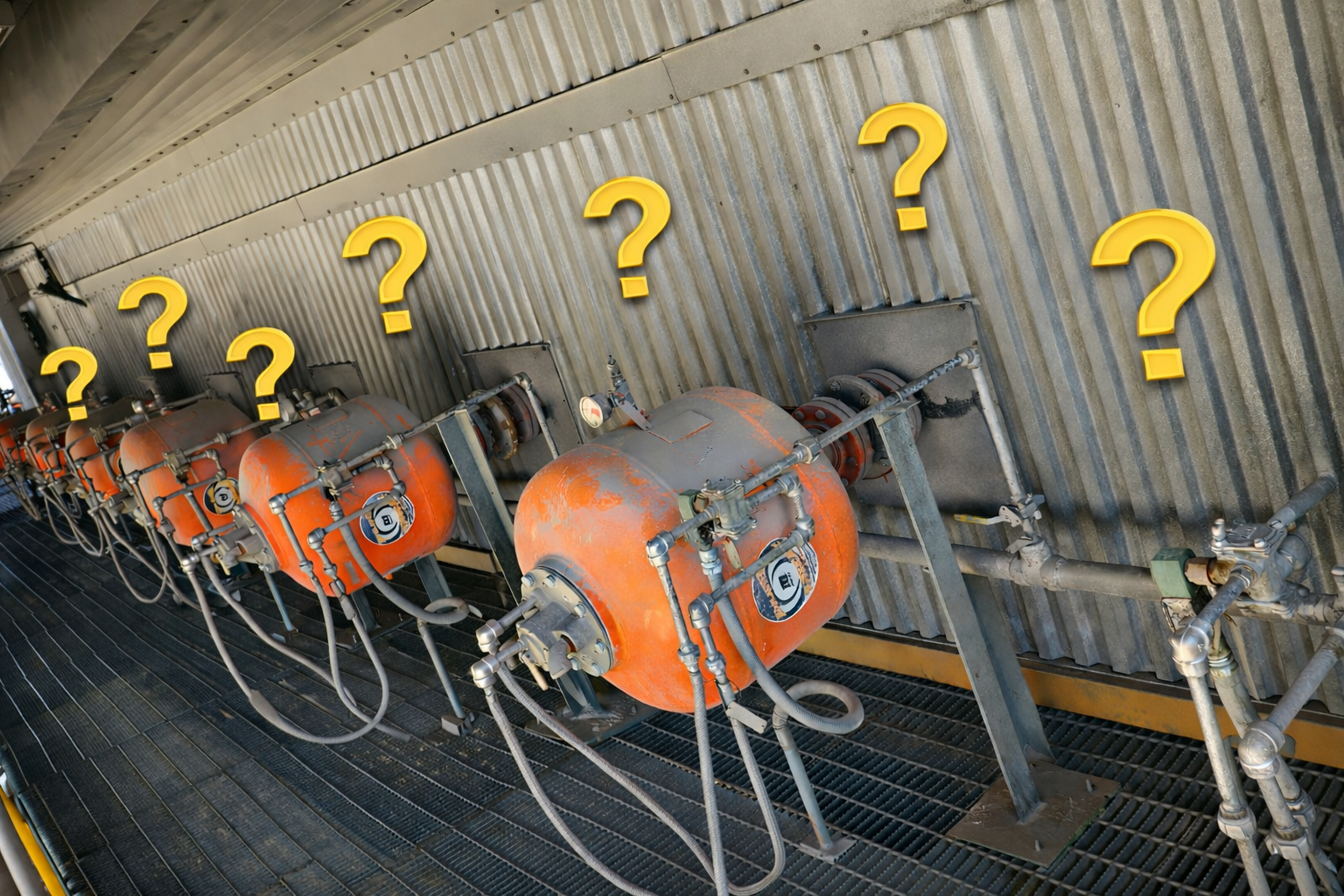
Is Your Air Cannon System Working—Or Just Taking Up Space?
Read more: Is Your Air Cannon System Working—Or Just Taking Up Space?Air cannons are a standard feature in every cement plant, no matter how large or small the plant. They serve as the essential cleaning tool to maintain peak performance and prevent expensive shutdowns. But there’s a catch: It’s not just about installing air cannons—it’s about applying them correctly.
-
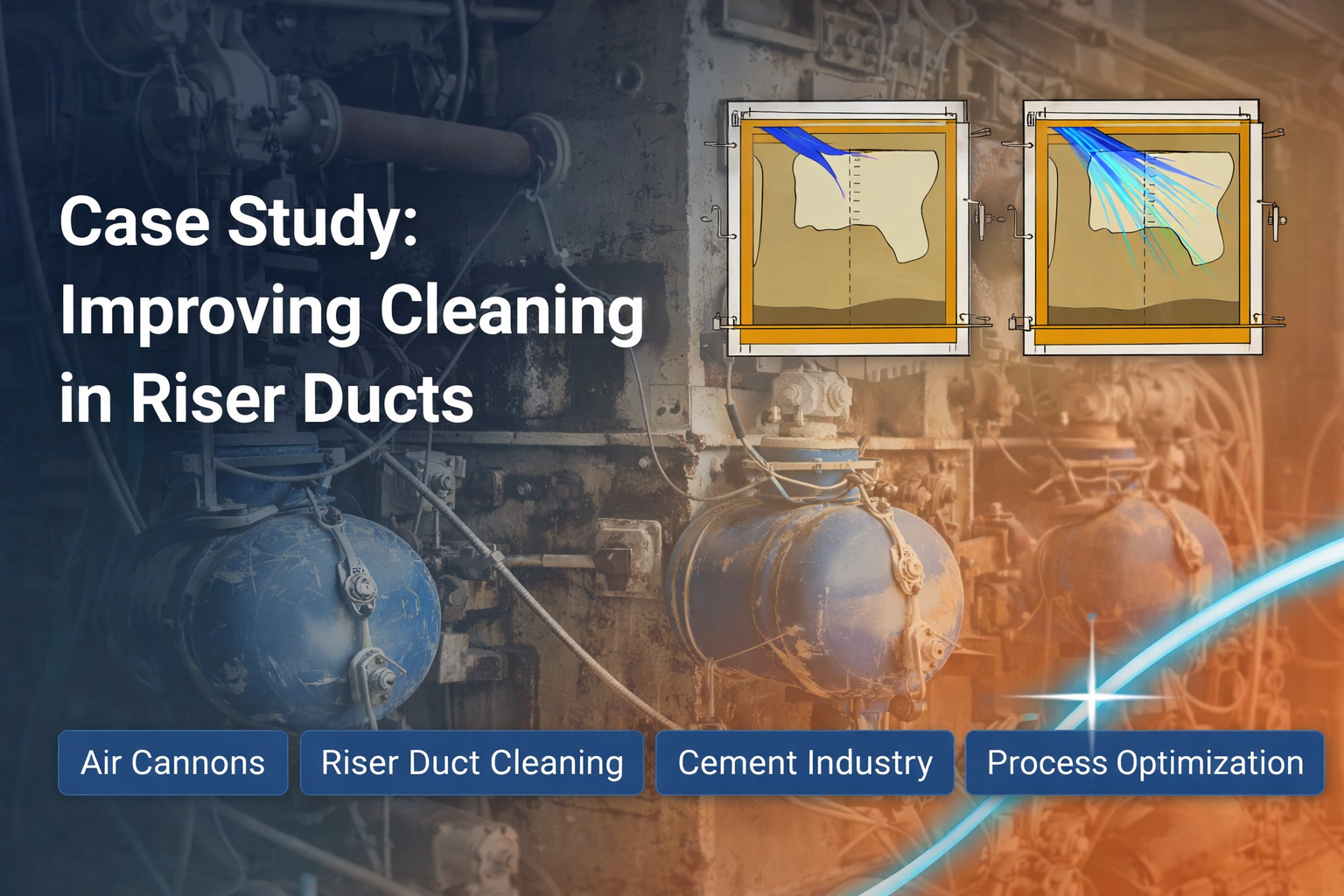
Case Study: Improving Cleaning in Riser Ducts
Read more: Case Study: Improving Cleaning in Riser DuctsIf Air Cannons Work, Why Are Plants Still Water Washing? Riser ducts have historically been subject to buildup. Most cement plants combat the buildupwith air cannons and high pressure water washing. Many plant managers would report thattheir air cannons are operating well. But if they are working effectively, why is there a need forhigh pressure…
What We Do Best
Who says size doesn’t matter?
Expert cleaning of SCR systems
Specialized cleanup service